
Holding Space: Embracing the Ashtanga Journey Together
Holding space is a fundamental part of our shared journey in Ashtanga.
Holding space is crucial for enhancing our collective experience in Ashtanga practice.
There’s a moment that happens almost every morning in the Mysore room, a collective holding space that invites vulnerability and growth, fostering a deeper connection among practitioners.
Holding space is essential for our growth and connection within the Ashtanga practice.
A student steps onto their mat, settles into their breath, and the world around them softens. In that quiet softening, the real practice begins.
Mysore-style Ashtanga is intimate in a way that led classes rarely are. Each student moves at their own pace, learning to trust memory, sensation, and instinct. There’s a quiet courage in that — the courage to listen inward, to steady the mind, and to take ownership of one’s unfolding.
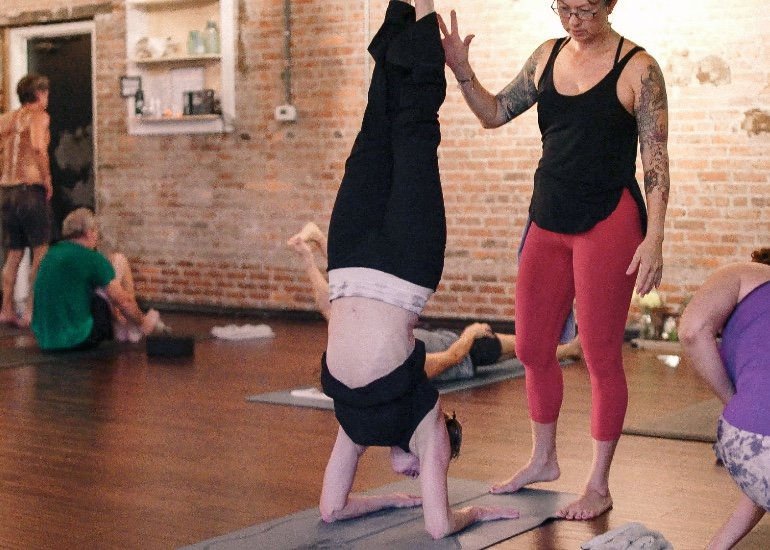
And while students are doing that deep internal work, there is another layer of practice happening simultaneously: the teacher is holding the space.
Holding space isn’t just about supporting others; it’s a practice in itself that requires mindfulness and presence.
But perhaps the part least spoken about — and maybe the most essential — is this:
Holding space for others requires holding space for oneself.
In this practice, we learn that holding space is also about nurturing our own journey.
A Mysore room doesn’t ask the teacher to be perfect. It asks them to be present.
To listen deeply. To soften the ego. To release the urge to fix or control. To stay rooted even on the days when life outside the shala feels loud or heavy.
It is a practice within a practice — a continual return to steadiness, humility, and devotion.
And this is where the heart of the Mysore method shines: it changes everyone in the room, not just the practitioners. Teacher and student grow together, breath by breath.
With Love and Compassion,
Jade

